
Voice AI for clinics and practices.
An agent for the front desk: it answers the phone, books and moves appointments, calls patients with reminders, and hands anything clinical to your staff. It does not diagnose. Book a visit with the one below.
Press the mic and talk. Words appear as you speak.
Pick a voice and a language, then just talk. No sign-up.
A live agent for a made-up dental clinic, booking into a made-up diary. Try describing pain, and see what it does with an urgent case.

The phone is the front desk, and the front desk is with a patient.
A clinic’s phone rings while the receptionist is with someone at the desk. Calls go unanswered, voicemail piles up, and a missed reminder becomes an empty slot nobody could fill because they learned of it too late. Most of those calls are administrative: book, move, cancel, where do I park, do I need to fast, how much is a first visit.
A voice agent takes the administrative calls and leaves the clinical ones to your staff. It speaks the patient’s language, including Catalan, Galician and Basque where that is what people in your area actually speak, and it never gives medical advice: it books, informs and passes on. The urgent ones matter most: an agent that hears “my face is swelling” has to stop being an appointment bot and tell the caller to seek emergency help, which is the first thing the demo above tests.
The second part is outbound. A reminder call the day before, with the chance to move the appointment on the same call, turns a no-show into a rebooking while the slot can still be filled. It is repetitive, time-bound and polite work, which suits an agent and does not suit a receptionist with a full waiting room.
In this job, it can:
- Books and moves visitsFinds a free slot in your calendar, books it, sends the invite, and moves or cancels it when asked.
- Calls with remindersOutbound calls to confirm tomorrow’s visits from a list, with a way for the patient to reschedule on the same call.
- Answers the practical questionsOpening hours, directions, what to bring, how to prepare, from the documents you provide.
- Sends urgent cases to peopleAnything that sounds clinical or urgent goes to staff or to the emergency number. The prompt tells the agent never to advise on symptoms or medication.
- Speaks the patient’s languageSpanish, Catalan, Galician, Basque, English, Portuguese, French, Italian and German, in a natural voice rather than a menu.
- Keeps a recordA transcript of every call, and a note on the patient’s record in the CRM you connect.
Why a clinic picks Lokutor.
Health calls have two requirements most voice products treat as extras: the patient’s language, and the question of where the audio goes.
- Iberian languages, end to endCatalan, Galician and Basque are listened to and answered like Spanish, with our own recogniser and voice, not translated through another language.
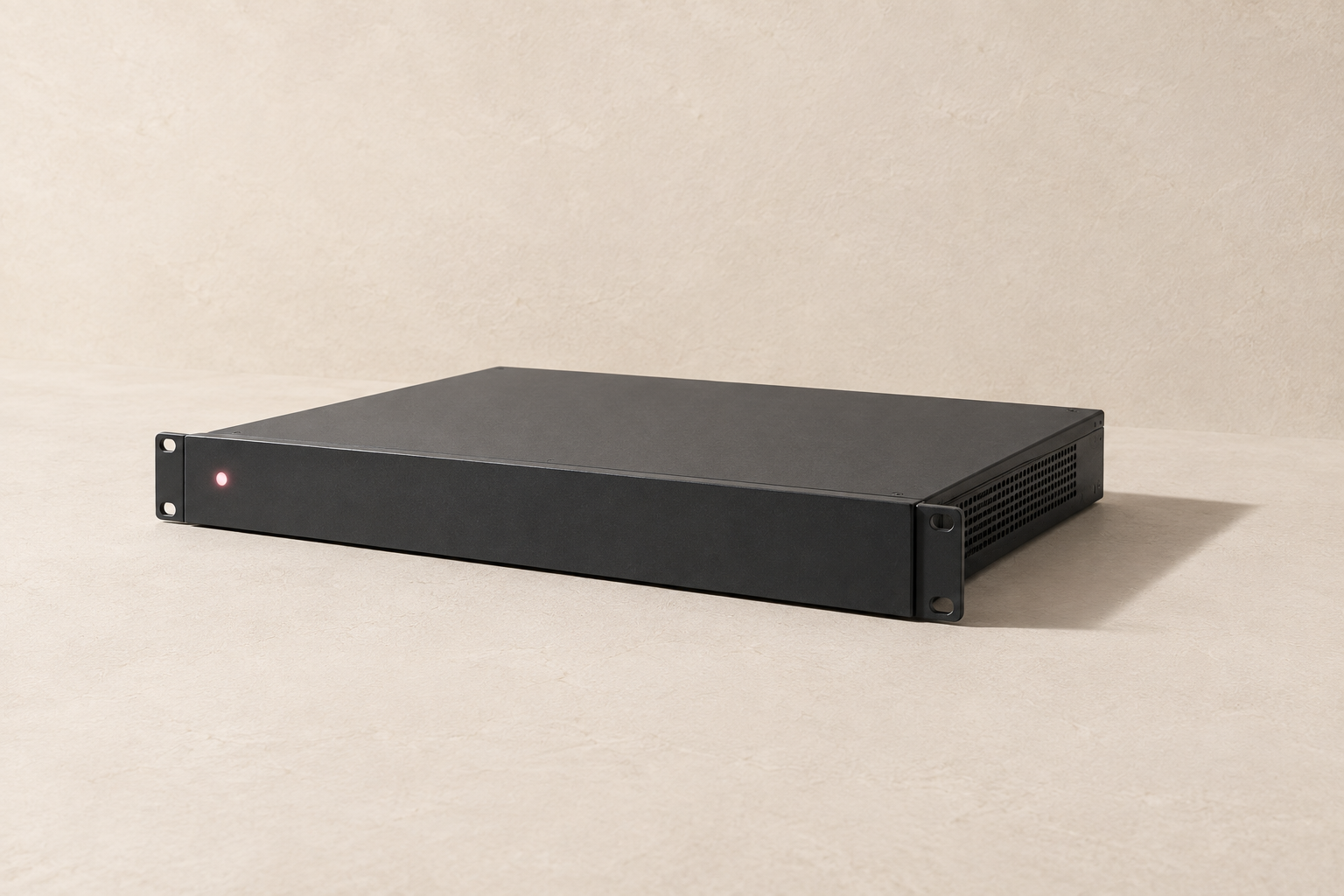
- EU processing, or your own serversIn our cloud calls are processed in AWS Ireland and records stored in Frankfurt. If audio cannot leave your infrastructure, on-premise is scoped with you.
- Interruptions that work for slower speechTurno decides when a caller has finished on the audio itself, so a patient who pauses to remember a date is not talked over.
- A price per secondNo plan: you pay for conversation. A one-minute reminder costs a minute.
Four questions to ask, and our answers.
- Where does the call audio go?Ours: processed in AWS Ireland, with accounts and conversation records stored in Frankfurt. Or inside your own infrastructure, which is scoped with you and sized on GPUs for synthesis and recognition. Ask every vendor this first.
- What stops it giving medical advice?The prompt, the functions you give it (it can only book and read what you expose) and evaluation rules that check each call. Test it with callers who describe symptoms before going live.
- Does it speak my patients’ language?If it is one of the nine, yes, in both directions. If it is another, tell us before you commit.
- Who sees the transcripts?Your team, in the dashboard, and your webhook if you set one. You decide retention in your own systems.
What the voice agent platforms publish.
Per-minute prices as each company publishes them on its own pricing page, read on 12 October 2026. Compare what the price covers before you compare the totals: some bundle recognition, the language model and the voice, others bill them separately. We have not benchmarked anyone else’s audio quality or latency, so this is price and scope, not a ranking.
| Platform | Published agent price | What to check |
|---|---|---|
| Lokutor | about 5.7¢ a minute | 4.2¢ platform, billed per second, plus the language model by the token. Prepaid, no plan. |
| ElevenLabs | 8¢ (16¢ at burst) | Agents, on every listed plan. Check whether the language model is billed on top. |
| Cartesia | 6¢ (+1.4¢ with its phone number) | Billed as call duration. Language-model use is free for agents built in its UI "for a limited time". |
| Deepgram | 7.5¢ (6.8¢ on Growth) | Voice Agent Standard, with recognition, language model and voice. Cheaper tiers if you bring your own model or voice. |
| Vapi | 8.2–12.9¢ (its own example) | 5¢ platform fee, plus recognition, language model and voice at each provider’s rate. |
| Retell AI | 7–31¢ (its own range) | 5.5¢ voice infrastructure, plus voice, language model and telephony billed separately. |
Full comparisons with sources, and what each platform lists for self-hosting, languages and free credit.
A worked example.
400 calls a month at two minutes each (booking and reminders) is 800 minutes of conversation. At the typical price of about 5.7¢ a minute, language model included, that is about $74 a month, of which about $46 is the agent and about $28 the phone lines (a call received on a Spanish number is 3.5¢ per started minute). New accounts start with $5 of credit and no card.
The typical minute assumes a typical prompt length; a long prompt costs more per minute, because the language model is billed by the token. The pricing page has an estimator. Pricing

From nothing to a working agent.
- Create the agent with a prompt that lists what it may do (book, move, cancel, give practical information) and what it must never do (advice, diagnosis, medication).
- Connect your calendar so it books real slots, and your CRM or practice system through a function if you want the record updated.
- Add the practical documents: hours, directions, preparation instructions, prices if you publish them.
- Test with your own staff in the browser, including urgent and awkward calls, then forward overflow calls first.
- For reminders, upload the list and run a campaign from the dashboard.
Before you go live
- It is administrative softwareAn agent that books and informs is not a clinician. Keep it out of symptoms and treatment, and test the emergency path until it never fails.
- Decide what it asks and storesIdentity checks and what is written to the record are your policy. The agent asks only what you tell it to.
- Say it is automatedHave it say so at the start of every call.
HIPAA compliance is in progress. If you need it, or any other requirement, contact us and we will go through what you need and where we are. Contact us
Common questions.
Can a voice agent book medical appointments?
Yes, the administrative part: it finds a free slot in your calendar, books it, and sends the confirmation. It does not decide who needs to be seen or how urgently; that stays with your staff.
Does the agent give medical advice?
It should not, and you tell it so in the prompt. Calls that sound clinical or urgent are handed to a person or to the emergency number. Test that behaviour with realistic calls before going live.
Is it compliant with health-data regulations?
HIPAA compliance is in progress. If you need it, or any other health-data requirement, contact us and we will go through what you need. Our cloud processes calls in the EU, and on-premise deployments keep audio on your own servers.
Can it call patients with reminders?
Yes. Upload a list and run an outbound campaign from the dashboard, or place single calls from the API. Check the rules on contacting patients in your country first.
Can it speak Catalan to my patients?
Yes. It listens and answers in Catalan, Galician and Basque as well as Spanish and six other languages.
Phone agents · On-premise voice AI · Catalan voices
Other uses: Appointment booking · Banking and insurance · Customer support · All use cases

Give the front desk its phone back.
Build the agent, hear it book a visit, and decide what stays with your staff. $5 of credit, no card.